From Family Restaurant to K‑Café: Kmart’s Culinary Legacy
Before the age of coffee chains or mini bistros tucked into retail stores, there was a different kind of in‑store dining. It wasn’t about $6 lattes or elaborate frappes — it was about hearty plates and family meals.
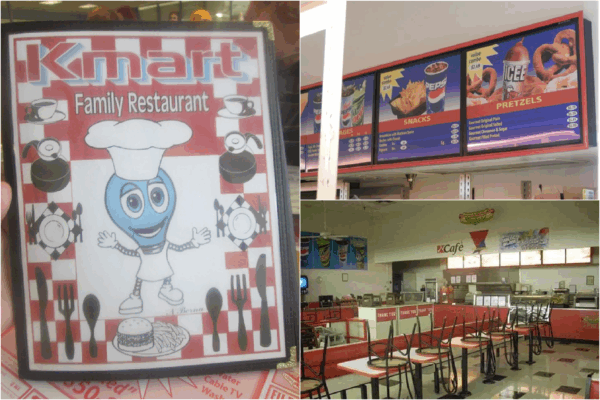
For a generation of shoppers, the Kmart Family Restaurant (and later, the K‑Café) was as much a part of the Kmart experience as the Blue Light Specials. It was where you paused mid‑shopping to sip a soda, share a plate of fries and maybe split a hot fudge sundae before tackling the rest of your list.
The Family Restaurant Era: 1960s–1970s
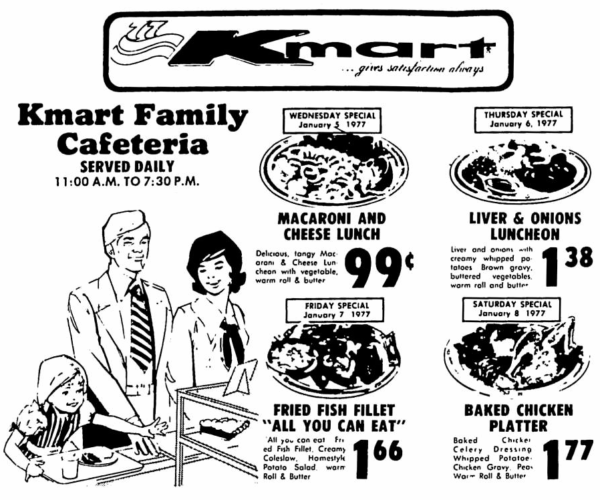
Kmart’s in‑store dining began in the mid‑1960s as the Kmart Family Restaurant. These were not just snack counters but full‑service cafeterias/restaurants tucked inside select stores. You’d grab a red plastic tray, slide it along a stainless‑steel rail and pass steaming chafing dishes of daily specials: meatloaf with mashed potatoes, turkey dinners, liver and onions, fried fish on Fridays.
Prices were astonishingly low (compared to now) you could get a full hot meal for well under $2. Families could shop for clothes, toys, and housewares, then sit down for a proper dinner without leaving the store. These restaurants were modeled after the thriving cafeteria culture of the era, where eating inside a department store was part of the outing . . . enabling shoppers to stay longer and spend more.
From Dining Room to K‑Café
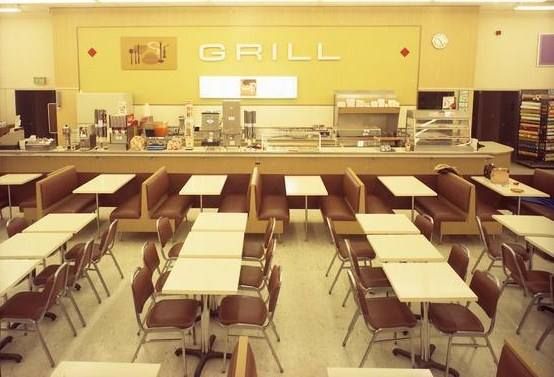
By the late 1970s, shopping and food trends were shifting. The full‑service Family Restaurants were gradually phased out in favor of smaller, counter‑service cafés.
The menus starting slimmed down and the themed weekly sit down meals turned into grab‑and‑go comfort food: hot dogs, cheeseburgers, pizza slices, sandwiches, slushies, soft pretzels, and ice cream sundaes. The formality of a “restaurant” gave way to the casual hum of a snack bar — still warm and welcoming, but geared toward shoppers on the move.
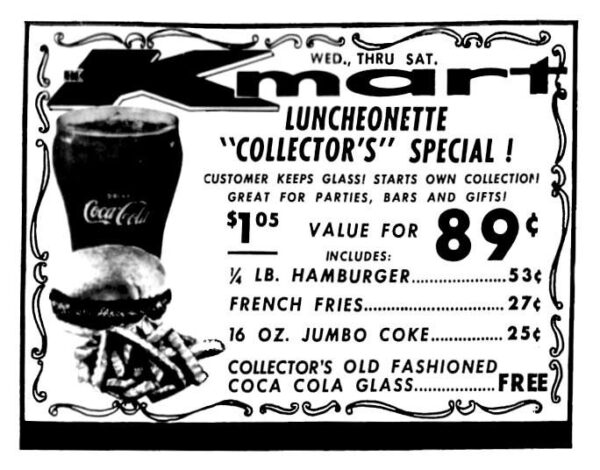
By the late ’80s, these snack counters had been rebranded as K‑Cafés. You’d step in and smell the deep fryer working overtime while getting a made to order burger. The soda fountain gurgled as kids filled wax‑coated paper cups with endless refills. Some locations even served regional favorites like chili dogs, sub sandwiches or breakfast bagels.
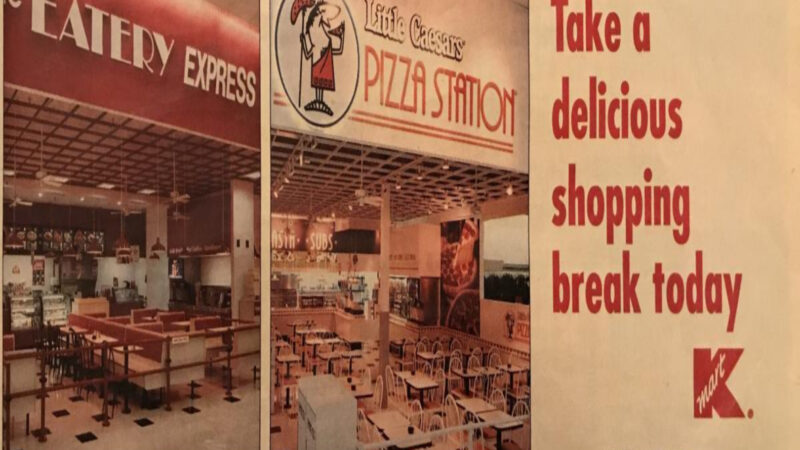
In the 1990s, Kmart partnered with Little Caesars in many stores, replacing or rebranding the café as a Little Caesars Pizza Station. Shoppers could now grab personal pan pizzas, Crazy Bread, and a soda without leaving the store — a hit for families and hungry kids tagging along.
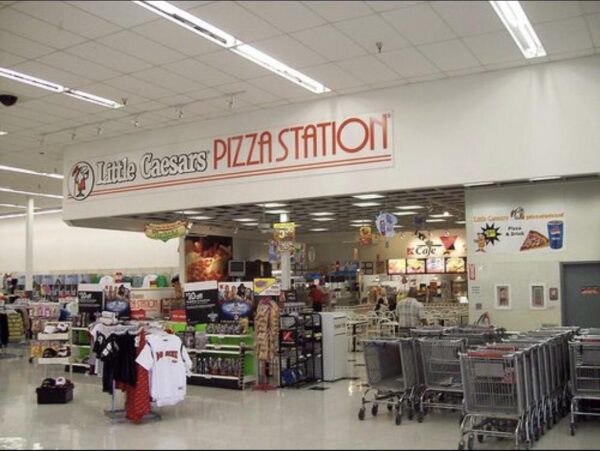
For many, the food was tied to cherished moments. Like the Kmart submarine sandwich wrapped in wax paper with shredded lettuce and tangy dressing or begging your parents for a slushie after being dragged around the store while they shop (LOL). Surrounded by the hum of carts, the sound of generic music over the PA system and the soft chatter of other shoppers, these café moments became a lasting part of the Kmart experience.
By the late ’90s, fast food chains were dominating every shopping plaza and in‑store dining suddenly felt old‑fashioned. As part of the Big K remodel, most cafés and even the Little Caesars locations were closed almost overnight to make room for more merchandise.
A few lingered into the early 2000s, but with a Taco Bell, McDonald’s, or Pizza Hut just down the street, shoppers had moved on. Within a few short years, the K‑Café, the Family Restaurant before it, and the Little Caesars era had all faded into retail history. Now we’re left with our own fleeting memories and digital accounts of what was.