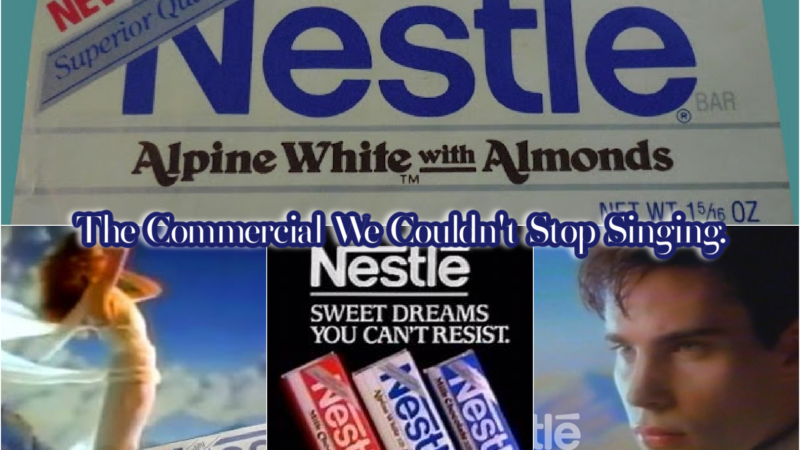
“Sweet dreams you can’t resist… N-E-S-T-L-E-S…”
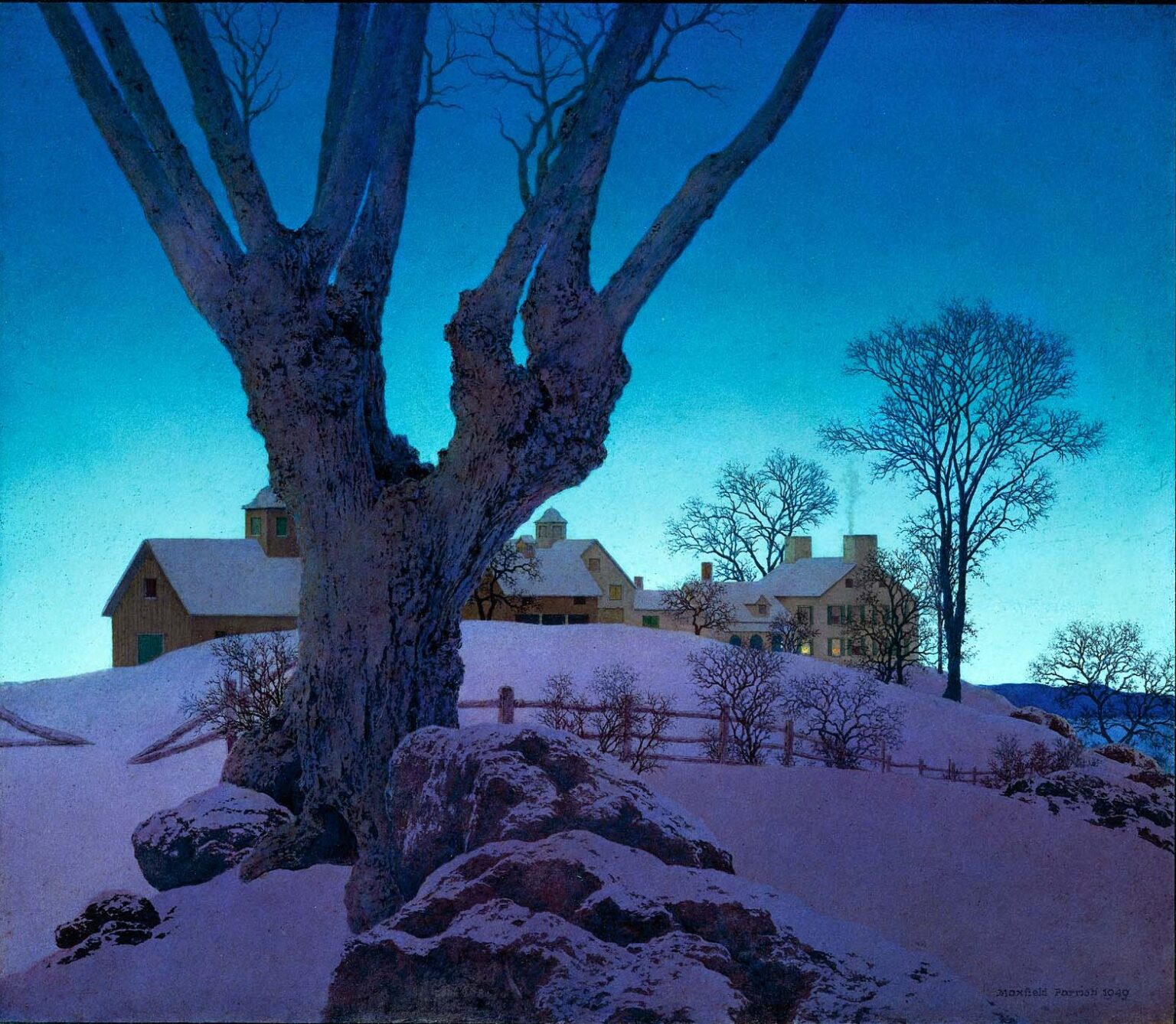
Whew . . . that jingle had a chokehold on us! Nestlé Alpine White commercials felt less like ordinary candy ads and more like some soft-focus, Maxfield Parrish-style dream: full of glowing, snowy-white visuals, fantasy, and pure late-’80s commercial magic. Definitely the kind of commercial that stayed in your head longer than the candy stayed on the shelf.
What Was Alpine White, Anyway?
Nestlé Alpine White hit at exactly the right moment to make something like this feel exotic and exclusive. White chocolate was becoming more visible in the U.S. in the mid‑1980s, and Alpine White leaned hard into that fresh, slightly upscale image. The bar itself was simple white chocolate with almonds, but Nestlé marketed it as something chic, dreamy, and just a little more sophisticated than the average candy‑bar aisle pick. This wasn’t a kid’s candy bar . . . it was a grown‑up’s fantasy bar.
That’s why the candy itself stood out. The white chocolate was for adults, sold as a mood, not another novelty bar. And for a moment, it worked. Alpine White became one of those products people didn’t just remember tasting; they remembered how it was presented to them.
Launched around 1985, Alpine White was part of a short‑lived “luxury candy” wave that swept through the decade. Big brands wanted a slice of the gourmet trend that was on the rise: chocolates that felt imported, adult, even romantic. Nestlé leaned in with stunning commercials: ice‑capped mountains, mystery, and that airy “N‑E‑S‑T‑L‑E‑S” refrain that turned a 30‑second spot into something closer to a dream sequence. It looked like a cross between a fantasy movie trailer and a synth‑pop music video, and it absolutely worked on the collective imagination.
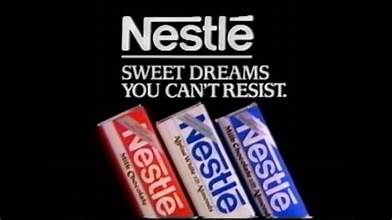
Meanwhile, other companies followed the same path: Hershey’s Symphony debuted in 1989, offering a smoother “adult” milk chocolate; Dove went national with its “Silky Smooth” branding; and Godiva started packaging upscale bars for regular retail shelves. Alpine White fit right in with this shift; it just took it to a more surreal place. Where others sold refinement, Nestlé sold ambience.
Still, the bar never became a permanent fixture. By the early 1990s, Alpine White quietly disappeared, leaving behind only the memory of those icy ads and that ear‑catching jingle. The commercials outlived the candy, proof that sometimes the marketing magic is so strong, it overshadows the product itself.
Sweet dreams you can’t resist, N-E-S-T-L-E-S
A dream as sweet as this, N-E-S-T-L-E-S
Creamy whites, dreamy whites
NESTLES makes the very best, N-E-S-T-L-E-S
Sweet dreams you can’t resist
Sweet Dreams and Snowfields: The Faces of LUSH Nestlé
By 1986, Nestlé had turned Alpine White into something more than candy; it became cinematic. There were actually five different commercials in the “Sweet Dreams” campaign, all built around the same hypnotic jingle and the same dreamlike world. Each spot used variations on the theme of fantasy, romance, vacation freedom, and lush chocolate.
The Look: Maxfield Parrish in Motion
The original commercial (and probably most remembered) was shot in New York City, where J. Walter Thompson built elaborate studio sets inspired by Maxfield Parrish’s glowing, romantic landscapes. That first spot defined the campaign’s visual language: icy whites, soft clouds, pastel skies, and slow‑motion glamour, paired with the whispery “Sweet Dreams” jingle.
After the initial success, Nestlé expanded the idea. The next commercial in the series – the “summer” version – actually promoted the regular Nestlé chocolate bar as well as Alpine White. It recycled the same jingle, replacing the snowy fantasy with warm beach imagery and golden tones. While it wasn’t solely focused on Alpine White’s story, it allowed Nestlé to use the “Sweet Dreams“ aesthetic across multiple products.
The music was composed by Lloyd Landesman, whose “Sweet Dreams” jingle drew straight from the era’s lush synth‑pop and New Romantic moods. The melody stayed constant throughout the campaign, but the vocals shifted slightly as the series evolved. The first Alpine White ad and the summer Nestle chocolate version featured the same male vocalist over Landesman’s original arrangement. The other winter commercial featured a female vocalist; her breathy, ethereal delivery gave the snow‑covered visuals a more dreamlike edge. The final cycle, which followed soon after, included horses running through snowcapped fields, releasing spots for both Alpine White and Nestlé Milk Chocolate and returning to a male vocal track.
The result was a small but fascinating evolution, the same hypnotic tune reframed by subtle changes in voice, tone, and season. Landesman’s sleek electronic lullaby and the Parrish‑inspired imagery pulled the entire Sweet Dreams campaign together into one long, surreal reverie that remains pure 1980s magic.
THEN THERE WAS FAITH NO MORE
As if the Alpine White jingle wasn’t already bizarrely unforgettable, Faith No More gave it an even weirder second life by performing “Sweet Dreams” onstage. The band didn’t create the song (of course) but they embraced it as a live cover, helping turn a 30-second candy ad melody into a genuine cult-pop footnote. Rolling Stone Australia notes that Faith No More performed it more than 100 times between 1987 and 1993, which means this soft, ethereal little Nestlé tune somehow made the leap from candy commercial to alt-metal setlist. Honestly, that feels perfectly right for a song this hauntingly catchy.
The Other Versions
Here are the other “Sweet Dreams” television spots that branched off from the original Alpine White campaign. Each one was based on the same jingle but featuring lyric tweaks, different products, and fresh (and reused) visual themes that matched the changing seasons and moods of the late ’80s.
Alpine White might have melted away, but its vibe – cool, sleek, lush, faintly mysterious – remains a perfect snapshot of 1980s consumer fantasy. It’s the kind of thing retro culture loves most: ephemeral, over‑the‑top, and impossible to forget even decades later.
What’s your favorite version THAT IS NOT the Faith No More rendition? LOL.